NAMM 2026 Gear That Actually Helps Songwriters: A Roundup From a Working Writer’s Perspective
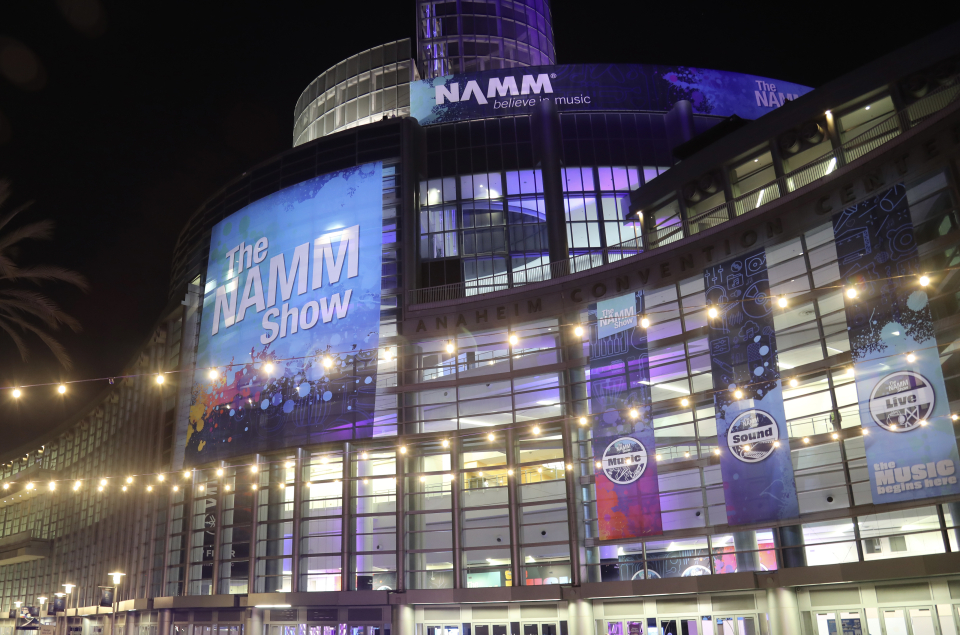
Every January, the industry rolls into Anaheim and unveils enough new gear to bury a working musician at NAMM. Flagship amps, six-figure mixing consoles, modular eurorack systems with seventeen voices and three patches that anyone could ever need were on display this year at NAMM 2026. The coverage that follows is almost universally written for engineers, performers, and gearheads. Very little of it is written for songwriters, and much of what gets the most ink at a trade show is genuinely irrelevant to the person whose actual job is finishing songs.
This roundup is an attempt to fix that. Below is an opinionated tour of the NAMM 2026 announcements that meaningfully help a working songwriter (across synths, pedals, samplers, interfaces, and software) with explicit attention to the question “does this thing put more songs in the world?” rather than “is this thing impressive at a trade show?” Some of the most-hyped products of the show don’t appear here because they aren’t songwriting tools. Some of the cheaper, weirder, less-glamorous releases get the spotlight because they are. Every product mentioned has a copyable link at the bottom of this guide.
Gear Featured In This Article
Synths
Pedals and Effects
- Mentha Works Monk Echo
- OBNE Parting
- Ibanez Layer/Delayer
- Beetronics Pollinator Hazee Delay
- T-Rex Binson Stereophonica
- Polyend Endless
- Electro-Harmonix Effects Interface
- Neural DSP Quad Cortex Mini
Samplers and Grooveboxes
Audio Interfaces
- Apogee Symphony Nova (Coming Q2 2026)
- Korg microAUDIO 22 / 722
Songwriting Tools
What Counts as “Helping Songwriters”
Before we get to specific products, it’s worth being precise about the criterion this roundup is using. Gear helps songwriters when it does at least one of three things. It generates ideas you wouldn’t otherwise have had, it captures ideas before they evaporate, or it removes friction between an idea and a finished demo. Almost every other gear feature (fidelity, headroom, dynamic range, exotic synthesis methods, professional-grade conversion) is either invisible or counterproductive at the writing stage. Songwriters need inspiration density, immediacy, and capture, in that order.
This is why the roundup below ignores a great deal of what NAMM 2026 announced. The Neve 1073DPX-D is a magnificent piece of engineering, but a songwriter doesn’t need a transformer-coupled discrete class-A channel strip to write a song. The Harrison D510 500-series rack is a beautiful idea for a mixing engineer; for a songwriter, it’s a distraction. Plenty of gear at NAMM 2026 is for finishing records, not for writing them, and the distinction matters.
Here’s what’s left after applying the songwriter filter.
Inspiration Synths: Where NAMM 2026 Delivered Most for Songwriters
The synth booth was where NAMM 2026 produced the most directly useful gear for songwriting. Three releases in particular are worth attention, each at a different price point and serving a different writer.
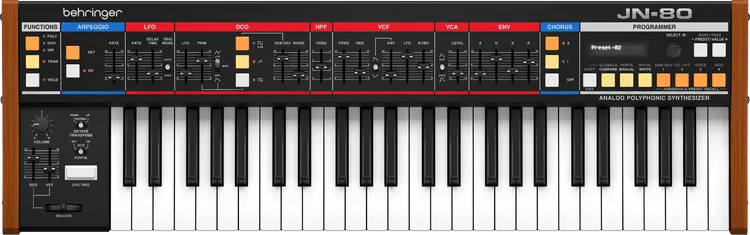
The Behringer JN-80 is the news that matters most for songwriters on a budget. It’s an eight-voice analog polysynth modeled on the Roland Juno-60, priced at about $563. That is roughly a third of what a vintage Juno-60 currently sells for. It is also a fraction of any other Juno-style polysynth currently in production. For a songwriter, the Juno’s appeal has always been compositional rather than technical. It produces beautiful, immediately musical chord pads and basses with almost no programming.
That is is exactly the property a writing instrument should have. The JN-80 adds eight-voice polyphony (versus the original’s six), aftertouch, an LCD with patch storage, USB MIDI. It also has an arpeggiator with four additional modes. This is best for a writer who wants to work with the most-recorded synth chord-pad sound in pop history. All without spending vintage-market money.
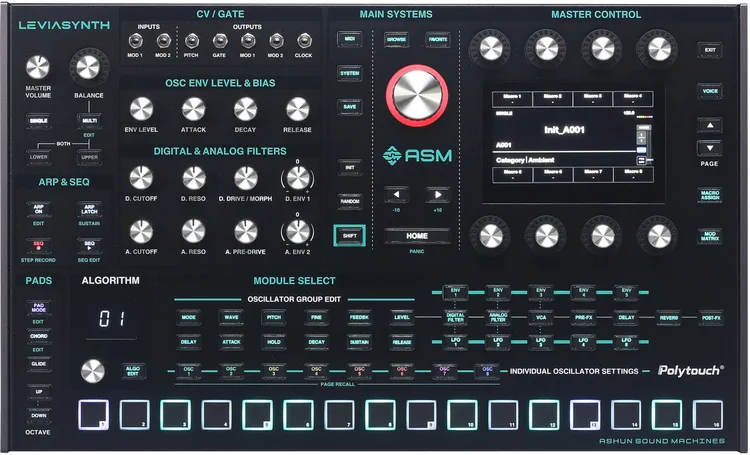
The ASM Leviasynth is the high-end pick for a songwriter who specifically wants timbral range. It’s a sixteen-voice polysynth with eight oscillators per voice arranged into flexible “algorithms.” These define how the oscillators interact, plus analog filtering.
The functional headline for a songwriter is that no two patches sound alike. This means the synth keeps generating new starting points for songs long after a more limited instrument would settle into its few signature tones. Does your writing practice depends on timbral surprise (pads you’ve never heard before, leads with strange harmonic content, basses that sit in unfamiliar parts of the mix)? The Leviasynth is engineered for that practice in a way few synths at any price are.
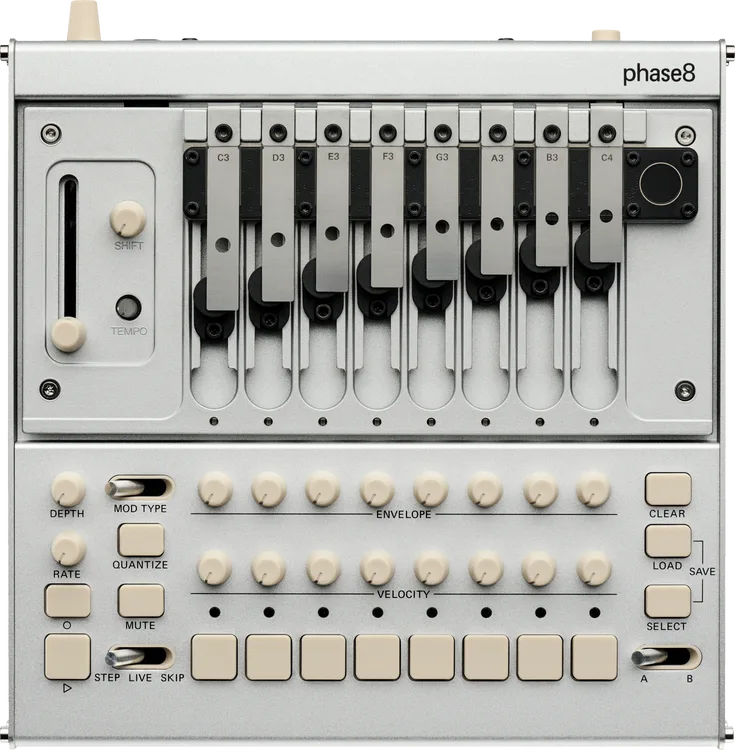
The Korg Phase8 is the most aesthetically interesting synth at the show. And it is also the hardest one to give a clean songwriter recommendation for. It’s an eight-voice “acoustic synthesizer.” That is, the sound is electronically controlled but acoustically generated, with eight steel resonators driven by electromechanical actuators.
You can also touch, pluck, or strum the resonators directly to interact with the instrument physically. At $1,149, it sits well above casual writing-tool territory. But for a songwriter whose work centers on texture, drone, ambient pads, or any sound design where the question is, “what does this thing do that nothing else does?” The Phase8 is a category-of-one instrument. It’s not for everyone. It is for the writer who keeps reaching for the same five sounds and wants to escape that loop entirely.
For most songwriters reading this roundup, the Behringer JN-80 is the synth release of the show. The Leviasynth and Phase8 are honorable mentions for writers with specific aesthetic priorities and matching budgets.
Texture Pedals: The Strongest Pedal Year for Ambient Writers in a Decade
NAMM 2026 was an unusually deep year for the kind of effects pedals that ambient and atmospheric songwriters actually use. Five pedals stand out as genuinely song-generating tools rather than tone-shaping accessories.
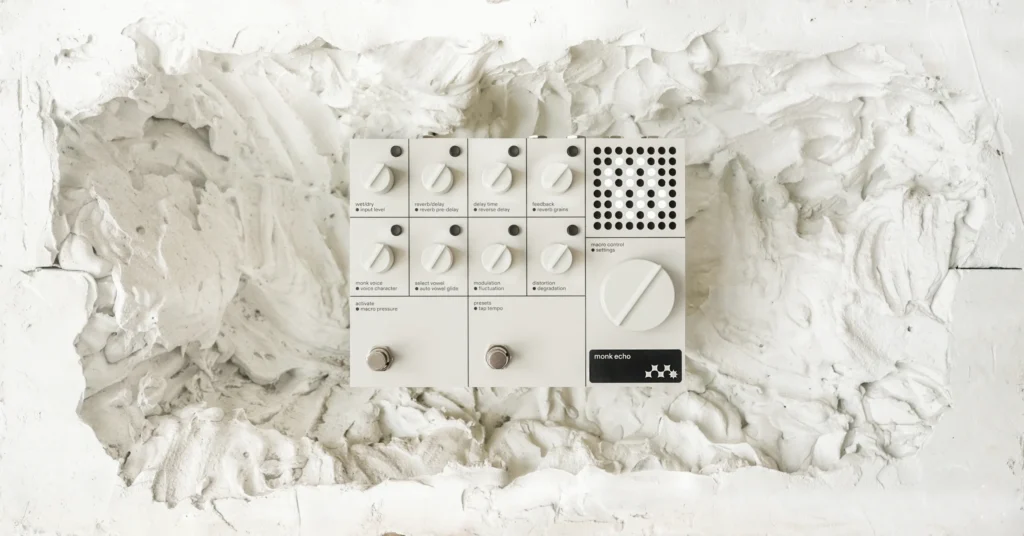
The Mentha Works Monk Echo was widely flagged as the best new pedal of the show. It’s a delay-and-reverb pedal with a unique “Monk Voice” feature that adds vowel-formant character to the wet signal. The same psychoacoustic mechanism that makes a vocal sit forward in a mix, applied to the reverb tail.
The result? Reverb that sounds vocally present in a way that no other pedal on the market currently produces. Combined with granular pitch shifting and a degradation effect, this is an instrument-grade textural tool. Perfect for songwriters writing ambient, post-rock, or experimental folk material.
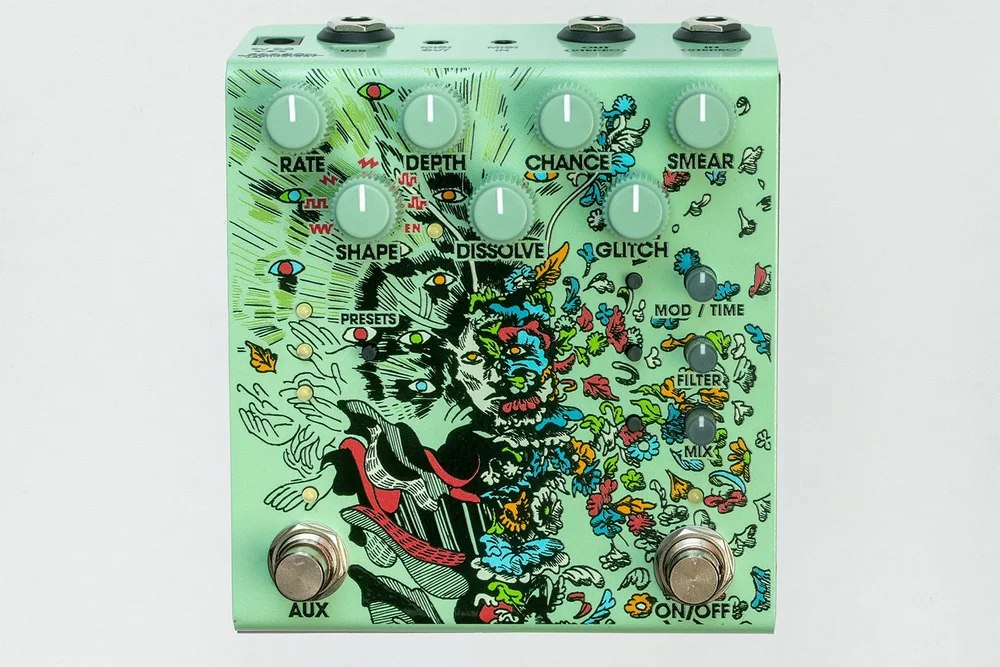
The OBNE Parting is the best example of a pedal designed for compositional generation rather than tonal flavoring. Three sections (modulation, glitch delay/reverb, and a “dissolve” texture engine) combine with chance-based controls (chance, smear, and glitch).
These introduce randomness into the wet signal in a controlled way. The pedal is, in effect, a small composer. You play a part. It hands you something you didn’t play. You react. Songs come out the other side. Exactly the design philosophy that produces inspiring writing tools. And it should be on the shortlist of any guitarist who writes ambient music.
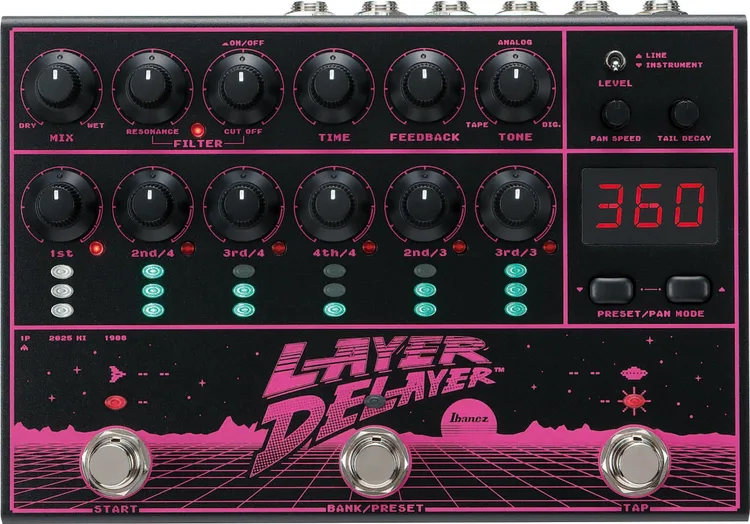
The Ibanez Layer/Delayer brings multi-tapped delay with layered pitch and color options into a single unit. It features controls intuitive enough that a songwriter can dial in usable patches without diving into menus. It’s the pragmatic choice in this category. It is less expensive than the Monk Echo, less weird than the Parting, and more accessible to a writer who hasn’t already developed strong opinions about delay textures.
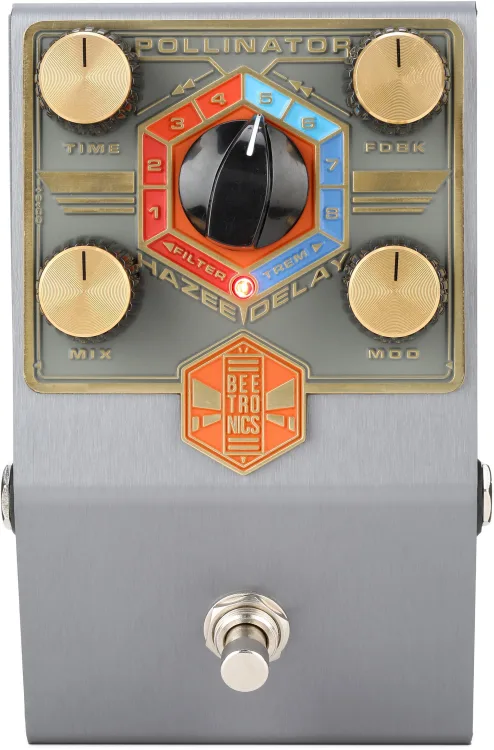
The Beetronics Pollinator Hazee Delay focuses on evolving textures, reverse octaves, and ambient sound design. It’s a more single-purpose pedal than the Layer/Delayer. But the single purpose it serves (generating slowly developing ambient backdrops) is exactly what many song sketches need to find their direction. If your writing benefits from a long, slowly modulating drone underneath your chord ideas, the Hazee Delay is engineered for that exact role.
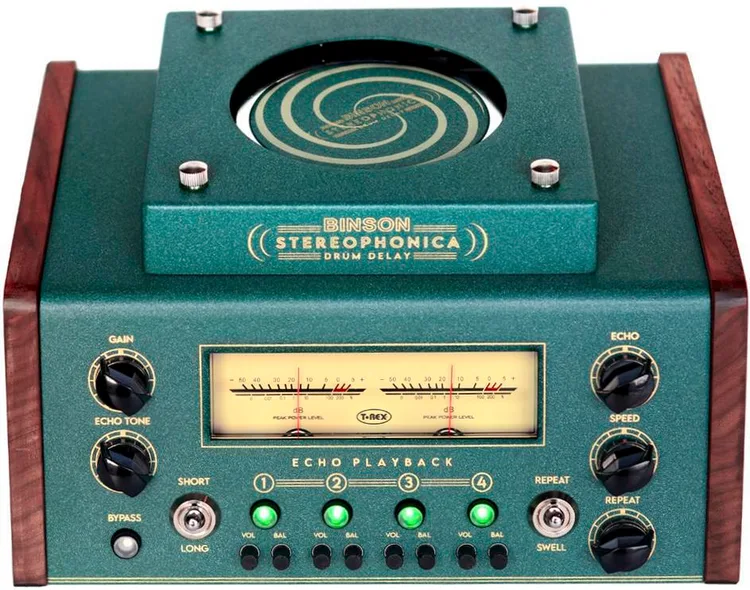
The T-Rex Binson Stereophonica is the boutique flex of the bunch. It is a drum-based mechanical stereo delay with four heads, each with independent volume and balance. And designed to recreate the lush, expansive stereo character of classic Italian-made drum echoes. It’s not a budget pedal. And it’s not for every writer. But for songwriters whose aesthetic is rooted in vintage stereo space (think Brian Eno, Daniel Lanois, post-rock atmospheres), it offers a sound that no digital reverb actually replicates.
Across all five, the pattern is the same. NAMM 2026’s pedal designers seem to have collectively decided that “tools that help you write” is a more interesting design space than “tools that polish what you’ve already written.” That’s a meaningful shift, and songwriters benefit from it.
The Hybrid Pedal: A New Category That Matters for Songwriters
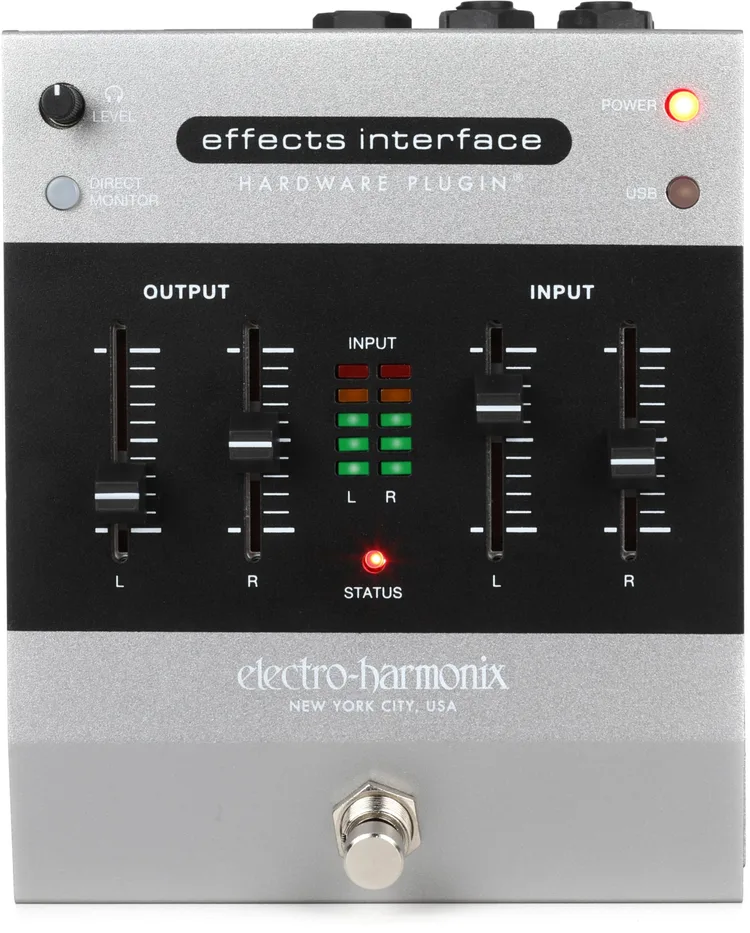
One of the most genuinely novel announcements of the show was the Electro-Harmonix Effects Interface. It is a USB audio interface built into a pedal. It’s designed to send guitar pedals into your DAW. And also bring plug-ins back out into your live signal path using a single USB-C connection. It also comes with level matching and signal flow handled automatically.
For songwriters, this matters more than the generic press coverage suggests. The traditional split between “pedals for live playing” and “plugins for recording” has always created friction in the writing process — you sketch with one toolkit and finish with another, and ideas get lost in the translation. A pedal that bridges the two domains lets you write with hardware (which is more inspiring) and refine inside the DAW (which is more flexible) without re-recording or rerouting. For a writer who keeps a small pedalboard on their desk and a DAW open on their laptop, this is the kind of design choice that shows up as more finished demos per month.
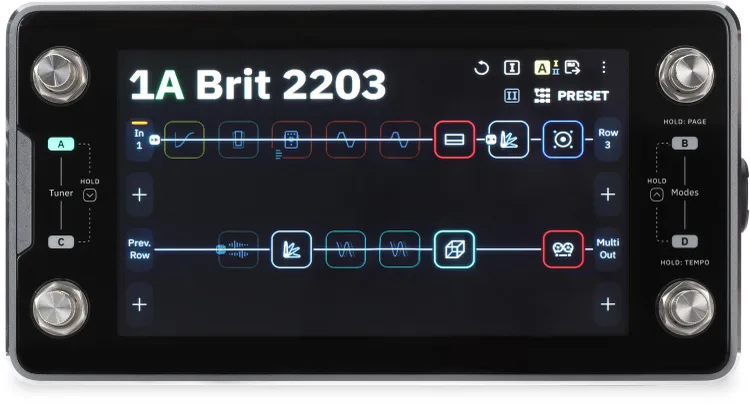
The related announcement worth flagging is the Neural DSP Quad Cortex Mini, which shrinks the popular Quad Cortex amp modeller by more than fifty percent while retaining the original’s processing power, seven-inch touchscreen, and four steel footswitches. For songwriters who write electric-guitar-driven songs and want a single device that handles amp modeling, effects, and recording (the Quad Cortex line includes USB audio interface functionality), the Mini eliminates the “how do I get a guitar sound” decision from the writing process entirely. Plug in, choose a preset, write the song. The reduced footprint is the practical news; the all-in-one workflow is the songwriting news.
Capture Tools: Samplers and Grooveboxes for Idea-Driven Writers
Songwriting is half generating ideas and half about not losing them. Two NAMM 2026 sampler announcements address the second half directly.
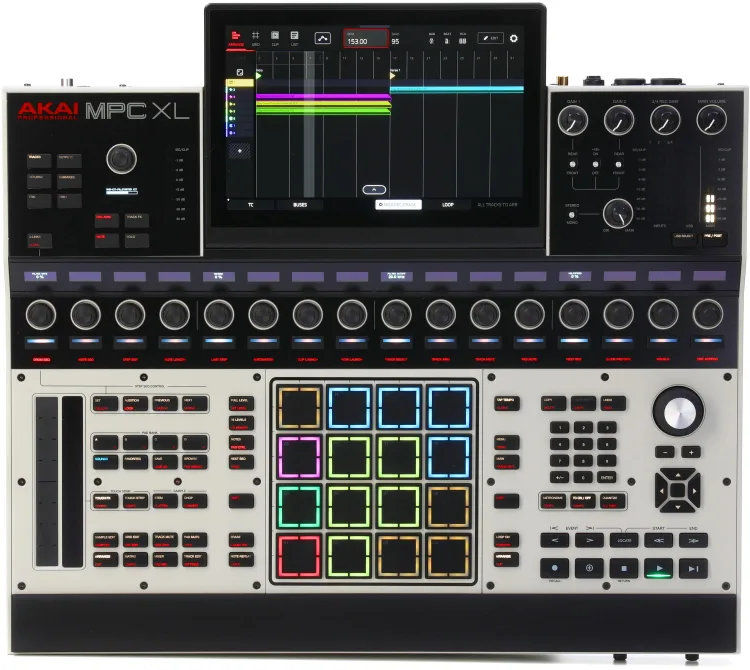
The Akai MPC XL is the flagship standalone sampler announcement of the year. It positions itself as a do-it-all studio centerpiece, featuring full beat-making, sampling, sequencing, and arrangement on a single device, with a ten-inch touchscreen and tactile controls dense enough to keep writers in flow without diving into screens.
For producers who write inside a beat-making workflow, the MPC XL replaces the laptop entirely during the idea-capture phase. You sketch on the MPC, you commit to arrangements on the MPC, and you only move to a laptop DAW when you’re ready to mix. That kind of workflow separation isn’t right for every writer, but for those who find laptops distracting (most of us, honestly), it’s a serious productivity tool.
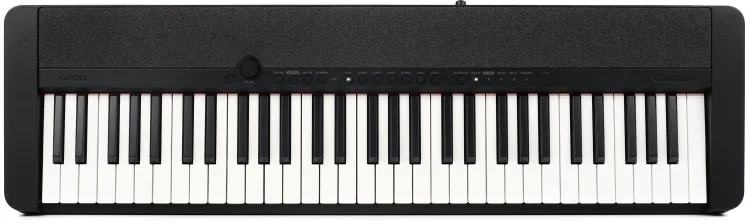
The Casio SX-C1 is the dark-horse pick of the show. A Gameboy-style pocket sampler with a cartridge-cute aesthetic that records at 16-bit/48kHz to 64GB of internal storage over USB-C. It’s the antithesis of the MPC XL: tiny, playful, lo-fi, more of a sketchpad than a studio.
For songwriters who carry a notebook everywhere and want a hardware equivalent (a device they can pull out on a bus, sample whatever’s around, and start a song from a sound they captured in the world) the SX-C1 is engineered for that exact use. The genre of writers who will reach for it is narrower than the MPC’s, but the writers who do reach for it are likely to make their best work with it.
The Korg KPV is the third sampler announcement worth knowing about. Dual touch interfaces, expanded sampling and looping, and more than two hundred onboard audio effects make it a more producer-leaning tool than either of the above, but for songwriters who specifically want a hardware looper-and-effects platform with deep reconfigurability, it’s worth investigating.
Recording Interfaces: Two Songwriter-Friendly Picks From a Mixed Field
The interface segment at NAMM 2026 was dominated by gear aimed at engineers and high-end studios. Two announcements stand out specifically for songwriters working at home.
The Apogee Symphony Nova is a slim desktop interface combining Apogee’s high-end AD/DA conversion with onboard ARM-powered DSP, designed for home studios with up to four mic inputs and real-time tracking and monitoring.
The songwriter-relevant news is the onboard DSP, which means low-latency monitoring with effects (reverb, compression, amp modeling) running on the interface itself, not the computer. For singer-songwriters tracking vocals and guitar simultaneously (a workflow that lives or dies by latency) the Symphony Nova represents a meaningful step up in the “interface that disappears into the writing process” direction. It’s pricier than the budget interfaces most home writers buy, but it’s the right pick for someone whose hobby has become a vocation.
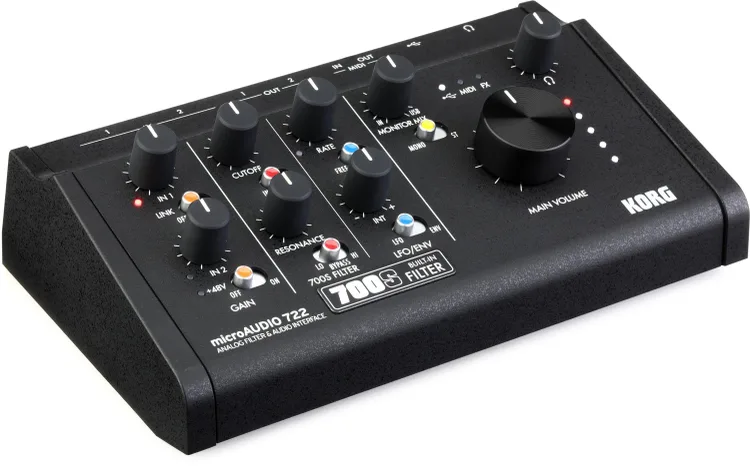
The Korg microAUDIO 22 is the more widely accessible pick. It’s a compact desktop interface aimed at home recording and content creation. The companion microAUDIO 722 adds an analog filter inspired by the classic miniKORG 700S, allowing real-time sound shaping on the way in.
For a songwriter, the 722 is the more interesting model: a built-in analog filter on an affordable interface means you can record vocals, synths, or guitar with vintage-flavored filtering applied at the input stage, which is the kind of compositional tool that traditionally requires expensive outboard. The microAUDIO line will compete directly with the Focusrite Scarlett and Universal Audio Volt at the budget tier, with a more sound-design-leaning feature set.
Neither interface upends the existing recommendations for a singer-songwriter buying their first interface today (the Scarlett 2i2 4th Gen and Volt 2 still dominate that conversation). But for writers planning to upgrade in 2026, both are worth a serious look.
The Most Songwriter-Direct Tool of the Show: Fender Chord Assistant
If you only pay attention to one announcement from this roundup, it should probably be Fender Chord Assistant. It’s an intelligent songwriting tool that recommends chord progressions based on what you’ve already played, paired with an AI-powered audio-to-MIDI conversion tool that turns recorded audio into editable MIDI for rearrangement.
This is the first major-manufacturer gear announcement that targets songwriting itself rather than tone, recording, or performance. The skepticism is reasonable. AI-driven music tools have a mixed track record, and chord-suggestion engines have existed in DAWs for years without reshaping how writers work.
The reason this announcement is worth flagging anyway is that Fender has the distribution and the songwriter-facing brand to actually push such a tool into mainstream use. If Chord Assistant works as advertised (meaning it suggests progressions that feel like compositional collaborators rather than generic theory engines) it could meaningfully change how working songwriters draft material.
The honest answer is “we don’t know yet.” Wait for in-depth reviews before committing time to it. But the announcement is the most direct songwriter-oriented gear release of NAMM 2026, and it deserves a place at the top of any “what should I be paying attention to” list this year.
The Polyend Endless: A Pedal Platform Worth Watching
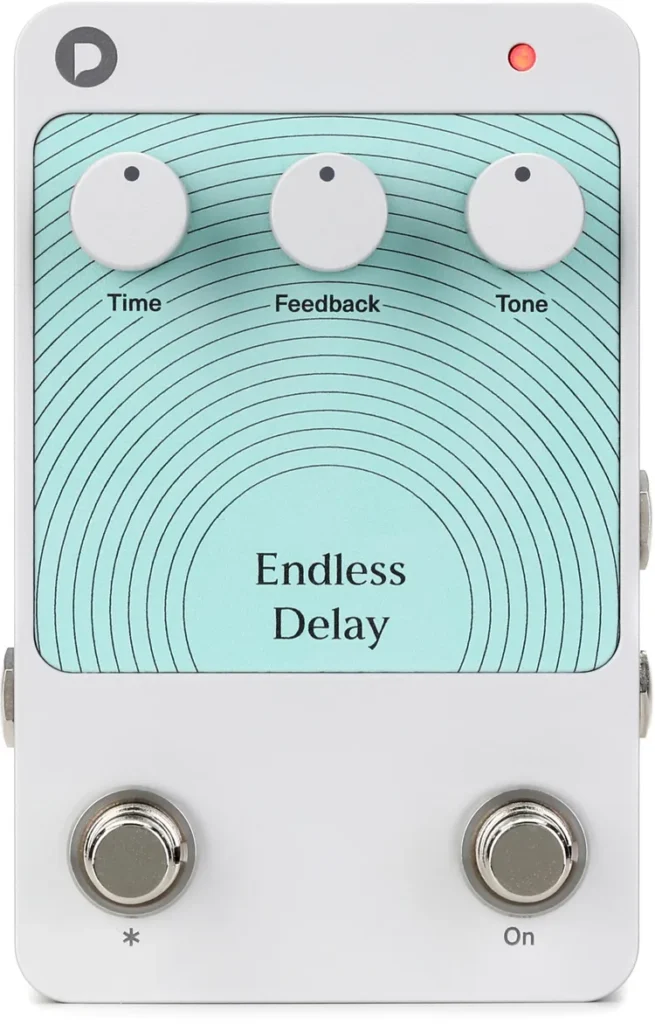
The Polyend Endless is the show’s most philosophically interesting pedal announcement, even if it isn’t yet the most directly useful. It introduces a new hardware effects platform that you can customize, meaning the unit is less a single pedal and more a host for community-developed effects.
If the developer ecosystem grows the way Polyend hopes, the Endless becomes a single piece of hardware that can become any effect, indefinitely. For songwriters, that future-proofing is appealing, but the present-day usefulness depends on what gets built for it. Worth watching, not necessarily worth buying yet.
What I’d Actually Buy from NAMM 2026 If I Were a Working Songwriter
Synthesizing the entire show down to a practical shopping list, here’s the honest answer for a working songwriter with a normal budget.
If you have $500–700 to spend and write at the keyboard or want pad/synth textures in your songs, the Behringer JN-80 is the most consequential single purchase from the show. The Juno-60 sound has more pop hits attached to it than nearly any other synth in history, and getting it new for under $600 is a substantial change in what’s accessible to home songwriters.
If you have $250–400 to spend and write ambient or atmospheric guitar music, the OBNE Parting or the Mentha Works Monk Echo is the single most inspiring pedal release of the show, depending on whether you want chance-based generation (Parting) or vocally-voiced reverb texture (Monk Echo).
Into writing electronic, beat-driven, or sample-based songs and have the budget for a centerpiece instrument, the Akai MPC XL is the standalone-sampler upgrade most likely to accelerate your writing this year. When your budget is much smaller and your aesthetic is playful, the Casio SX-C1 is the more whimsical pick for the same writing problem.
If you’re upgrading your home recording setup and want a singer-songwriter-ready interface with creative options at the input stage, the Korg microAUDIO 722 is the most interesting new option the show produced for home writers specifically.
And if you’re curious about whether AI-driven songwriting tools might actually fit your process, the Fender Chord Assistant is the announcement to follow as reviews land throughout the year.
What Songwriters Can Safely Ignore From NAMM 2026
A few categories of NAMM 2026 announcements got significant press but don’t deserve songwriter attention. The high-end channel strips and 500-series modules (Neve, SSL, Cranborne) are genuinely beautiful gear. But they’re tools for finishing records, not writing them.
The new flagship live mixing consoles are stage gear; ignore them. Most of the modular eurorack announcements are aimed at synth obsessives whose writing already lives in modular workflows. If that’s not you, none of it matters. And the various wireless-system, in-ear-monitor, and stage-lighting announcements are entirely irrelevant to anyone whose primary creative output is recorded songs.
This isn’t a criticism of those announcements. It’s a reminder that NAMM is an industry trade show with multiple constituencies. And most coverage doesn’t separate the constituencies clearly. A songwriter walking past those booths and ignoring everything in them is a songwriter using their attention well.
A Final Word
The honest case for paying attention to NAMM each year, as a songwriter, isn’t that the show changes the craft. It doesn’t. The fundamentals of songwriting (melody, lyric, harmony, rhythm, performance) stay the same regardless of what gear gets announced. The case for attention is that occasionally the show surfaces a tool that meaningfully reduces friction between idea and finished song, and the Behringer JN-80, the OBNE Parting, the Akai MPC XL, and the Fender Chord Assistant all have a credible chance of being that kind of tool in 2026.
More NAMM 2026 Coverage
Cover Image: NAMM