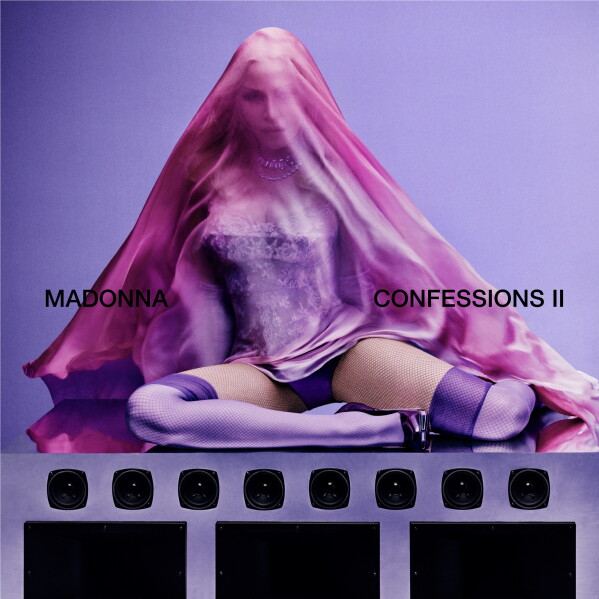

In June 2026, Madonna released “Love Sensation” as a single from her forthcoming album Confessions II, reuniting with producer Stuart Price. The track demonstrates how established dance-pop craft sustains communal function through repetition and uplift rather than novelty, offering a precise model for building dancefloor efficacy in an era of algorithmic saturation.
Macro Structure: Why the Form Works
The song uses standard dance-pop/house form: repetitive intro mantra, verse–chorus, post-chorus, second verse, chorus, bridge with chant, final chorus, and extended post-chorus breakdown. Runtime is 3:47.
The structure works because the core hook (“There’s nothing that we cannot do”) is introduced immediately and recurs across sections, ensuring instant memorability. Verses supply relational detail without interrupting momentum. The bridge escalates into a collective chant that functions as both emotional peak and sonic release. The extended post-chorus creates space for club breakdown. Every section either reinforces the central affirmation or drives energy toward physical release.
Craft Techniques
1. Mantra repetition as hook and thesis
The line “There’s nothing that we cannot do” opens the track and returns in verses, post-chorus, and bridge. This single, positive statement operates simultaneously as lyrical core and rhythmic device, generating hypnotic affirmation suited to both headphones and dancefloor.
2. Major-key harmony for consistent lift
Bright diatonic progressions (I–V–vi–IV type movement) maintain emotional elevation without complexity. These changes allow the vocal to rise on lines such as “You set me free with your love sensation” while keeping focus on the repeated hook.
3. Verse specificity anchoring euphoria
Verses use concrete detail:
“When I feel alone, yeah / I always wanna bring you near / ’Cause you bring a smile right here / You chase away my darkest hours.”
And: “Whenever I doubt you, I have a premonition / And I can see clearly where I should be.”
These lines supply emotional credibility that prevents the repetitive chorus from becoming generic.
4. Bridge as emotional and sonic climax
The bridge addresses love directly as an unstoppable force:
“Love’s the reason why / It’s a drug that I can’t stop taking / Baby, let’s get high / Tripping up to the sky / I’m your love sensation, good vibration.”
It expands the hook into chant while the arrangement opens, creating the track’s highest point of release before returning to chorus.
Production Choices That Amplify the Songcraft
Co-produced by Madonna and Stuart Price, the track revives the crisp disco-house sound of the original Confessions on a Dance Floor. It features a driving four-on-the-floor kick, layered synths, filtered builds into the bridge, and multi-tracked vocals with ad-libs. The mix leaves space around the voice so repetitive hooks remain clear. Stuart Price’s controlled dynamics ensure translation across club and personal listening while preserving performance energy.
AI vs Human Lens
An AI could replicate the four-on-the-floor groove, major-key loop, and repetitive positive hook. What would break is the specific grain of Madonna’s vocal phrasing and timbre, plus the lived authority in lines addressing doubt and premonition. The bridge chant carries the accumulated weight of the artist’s long public relationship with dance music as both escape and expression. Human timing in builds and vocal space remains difficult to simulate.
Actionable Takeaway for Songwriters
The “Nothing That We Cannot Do” Drill (15–25 minutes)
- Create one short, repeatable positive statement to serve as both lyric and rhythmic hook.
- Place it in an intro and repeat it through verse and chorus.
- Write one verse that grounds the hook with a specific personal situation (isolation, doubt, restoration).
- Expand the idea in a short bridge that turns the hook into a chant or direct address.
- Set the sections to a simple major-key chord loop with steady pulse. Record a rough demo emphasizing hook clarity and vocal space.
Listen for where repetition generates lift versus where it flattens. Refine only for specificity and clarity.
Why “Love Sensation” Models Effective Dance-Pop Craft
- Immediate mantra hook for streaming and club utility
- Stuart Price reunion applies proven formula without reliance on nostalgia
Macro Structure Built for Dancefloor Function
- Repetitive intro locks core affirmation early
- Bridge delivers emotional peak and breakdown space
- Extended post-chorus supports extended club play
Four Craft Techniques
- Mantra repetition functions as both hook and thesis
- Major-key progressions sustain consistent emotional lift
- Verse detail prevents euphoria from feeling generic
- Bridge expands hook into collective chant for maximum release
Production That Supports Hook and Performance
- Four-on-the-floor foundation with controlled dynamics
- Vocal-forward mix keeps repetitive lines audible
- Stuart Price’s house aesthetic preserves human energy
Limits of AI Replication
- Specific vocal phrasing and lived authority
- Human timing in builds and vocal space
- Accumulated artist history informing the bridge
Exercise for Repetitive, Uplifting Hooks
- Write mantra, ground it in one verse image, escalate via bridge chant, and demo over steady major-key loop.